Steel production, once upon a time and predominantly romanticized outside India, has become the mainstay of India’s economy today, making India one of the largest producers of steel in the world after China. The steel industry, to maintain competitiveness on a global scale and stability, has been pursuing a digital transformation that aims to alter present activities from traditional practices to modern techniques and to automated and data-driven steel production organizations.
1. Smart Technologies Transforming Steel Manufacturing:-
Modern steel plants are powered by innovation:
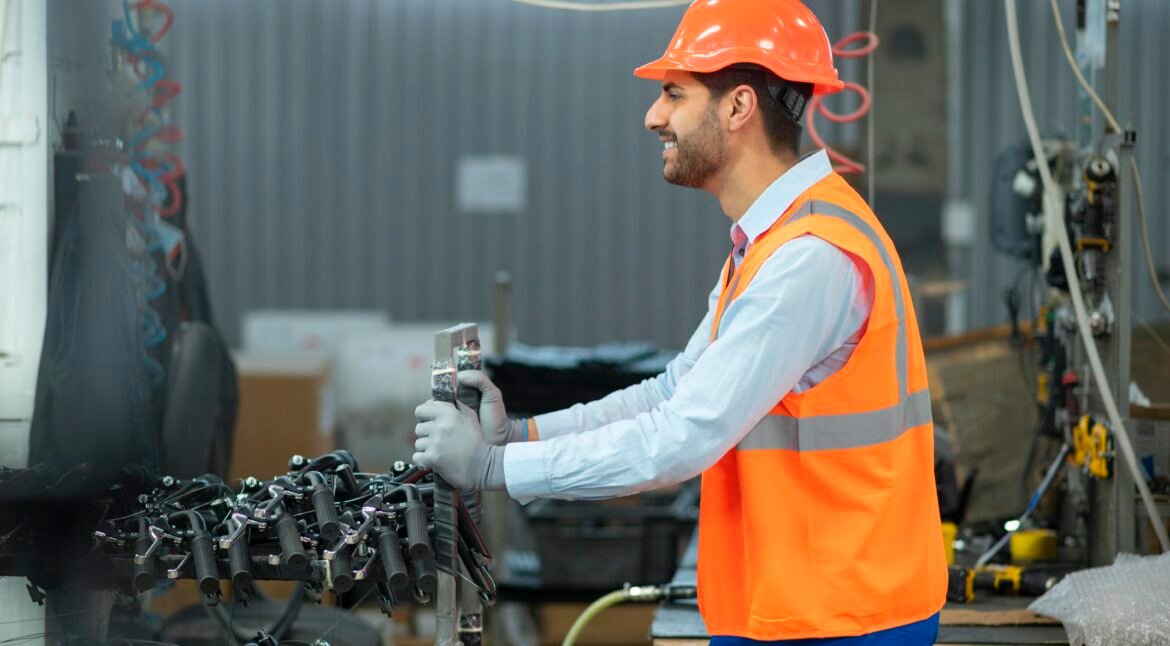
- Automation & Robotics improve efficiency and safety.
- Digital Twins replicate real plant conditions to predict performance.
- The technologies optimize production while minimizing wastage through AI & Analytics.
- Real-time monitoring is being implemented through the Internet of Things (IoT), giving connectivity to the machines. The said technology therefore minimizes machine downtime to save energy and produce uniform quality products.
2. Key Digital Investments in the Industry:-
India’s steel behemoths are now spending plenty of cash on digital infrastructure, process control systems, and green energy solutions. As predictive maintenance, data integration, and smart energy management continue to develop, steel is being manufactured in a whole new way. The entire change has been backed by the government initiatives and partnerships with private R&D.
3. How Shakti Engineering Integrates Innovation:-
The company Shakti Engineering champions this evolution by combining the engineering intelligence with all the latest technologies. It practices the perfect project management in all its construction works using BIM-based designs, prefabrication, digital simulation, and IoT-ready systems, all of which ensure a much purer, waste-free, and faster execution project-on overall-a standard for the intelligent steel solution.
4. Challenges on the Path to Digitalization:-
Although there has been marked improvement in the industry, the sector is currently on the path of several challenges including high energy prices, legacy systems, skills shortages, and cybersecurity vulnerabilities. Overcoming these will require a gradual approach to improving legacy plants, skilling the labor force, and providing safe and flexible digital systems.
Conclusion:-
On the verge of a digital transformation, the Indian steel industry is employing automation, analytics, and sustainable design in revolutionizing steel production. Organizations such as Shakti Engineering are bringing forth a new age of intelligent, cost-effective, and eco-friendly steel making, which is actually the real foundation for a stronger, smarter India.